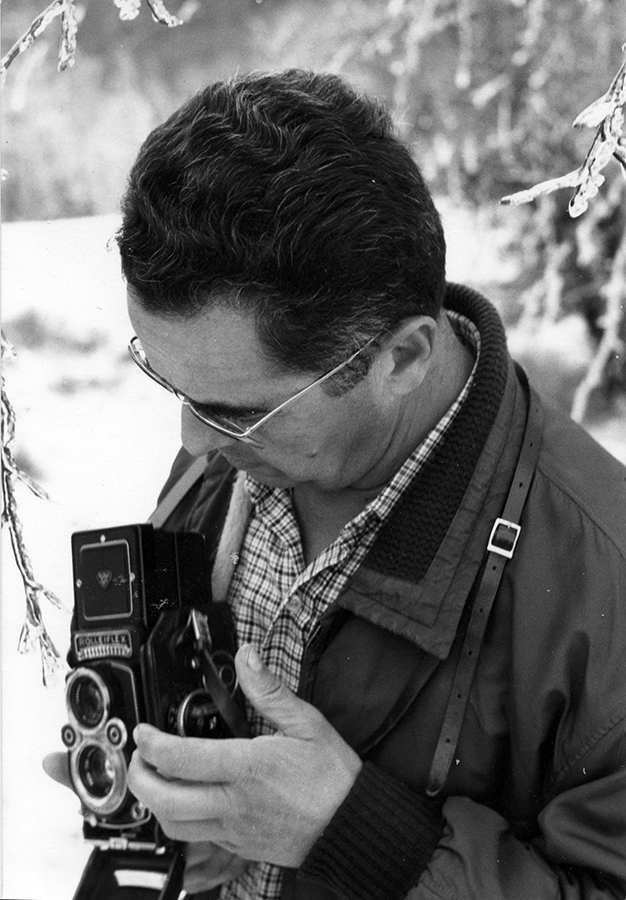
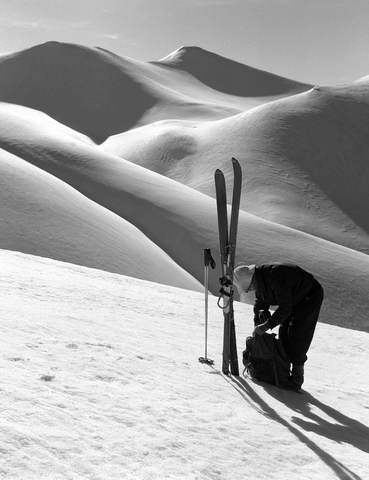
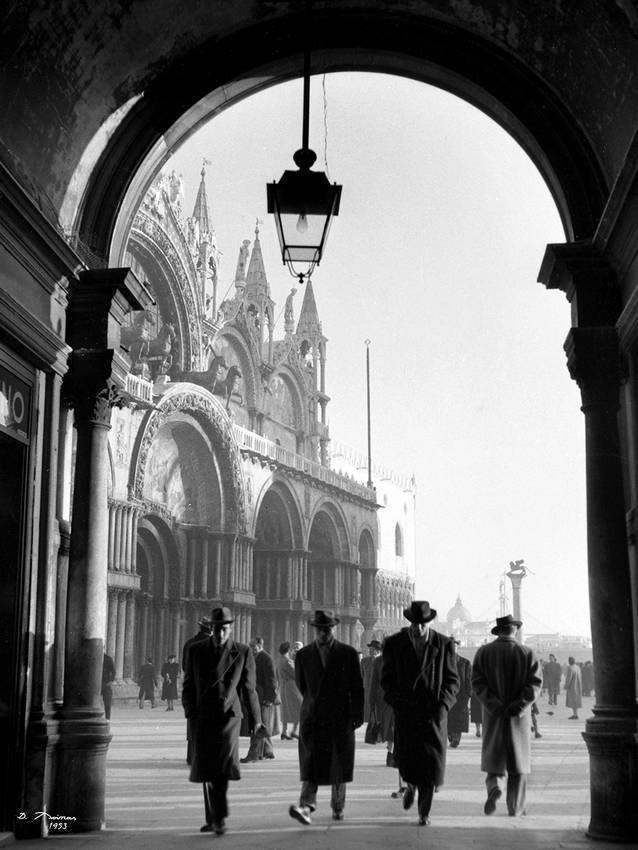
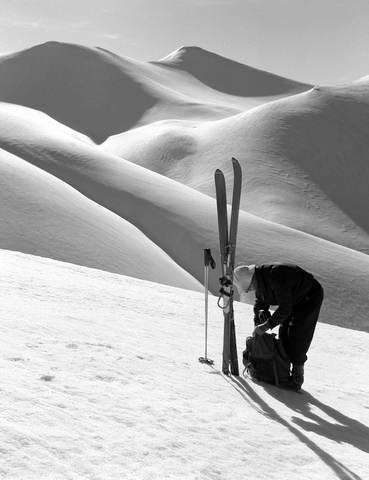
Takis Tloupas was born in Larissa in 1920. The son of a woodcarver, he learned the craft alongside his father and continued to practice it until the Occupation. A trip to Mount Olympus with the mountaineering club brought him into contact with the art of photography for the first time.
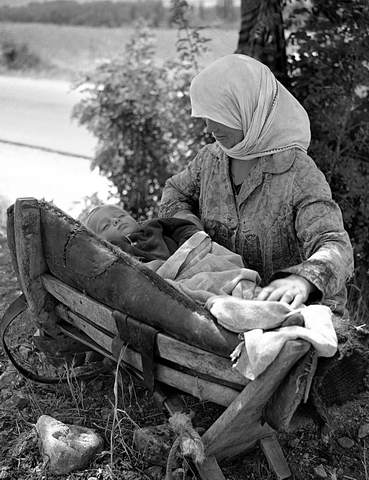
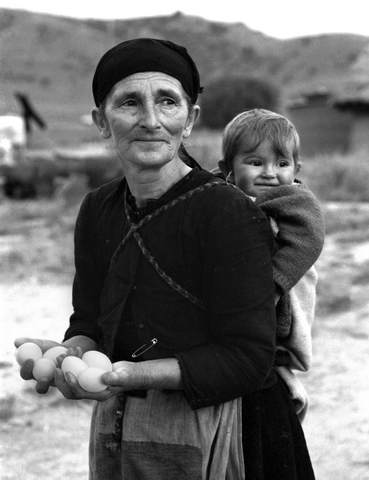
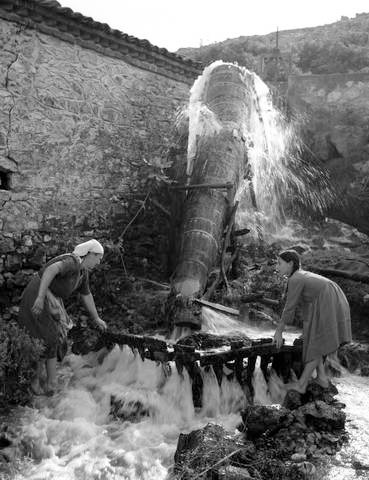
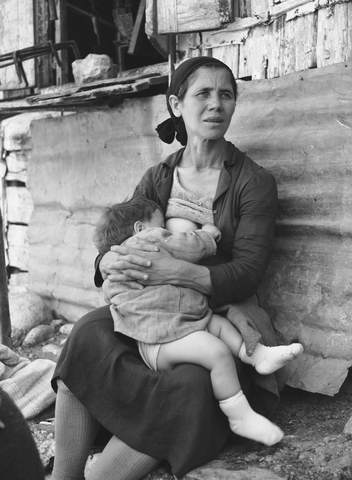
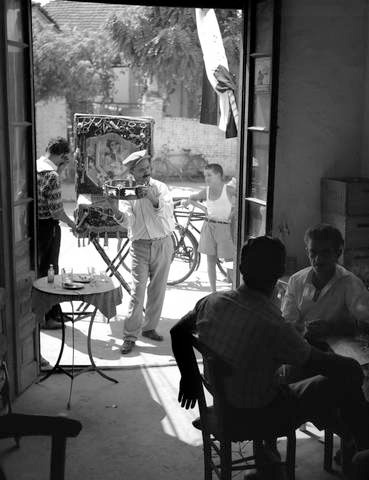
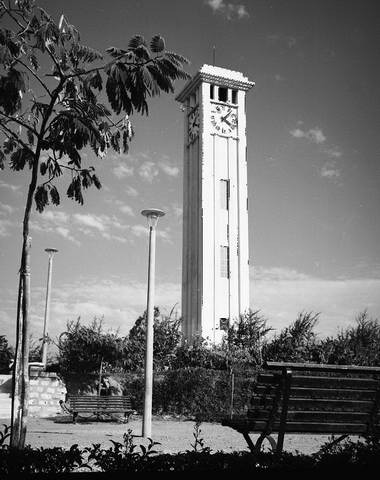
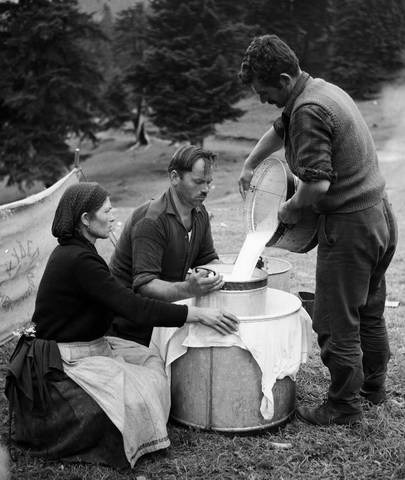
After 1945, he decided to pursue photography professionally and opened his photography studio in Larissa. For more than 50 consecutive years, he captured characteristic views of post-war Larissa and images from the daily life, customs, and traditions of the people of the Thessaly region.
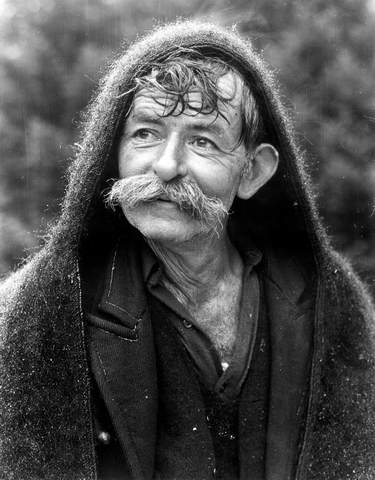
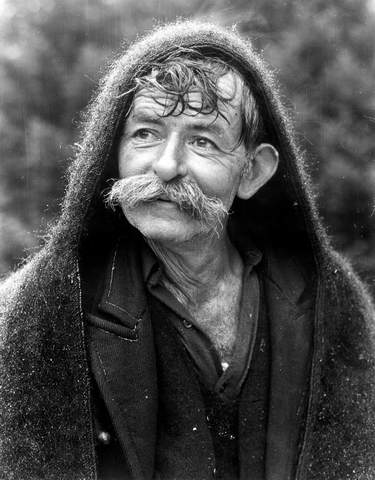
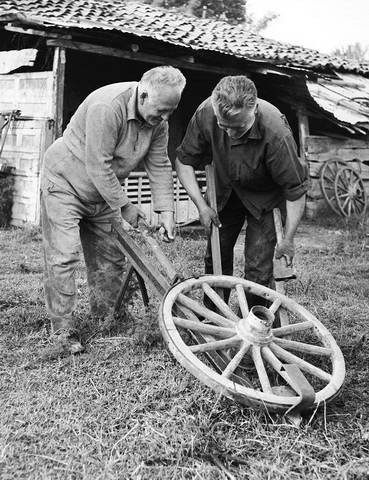
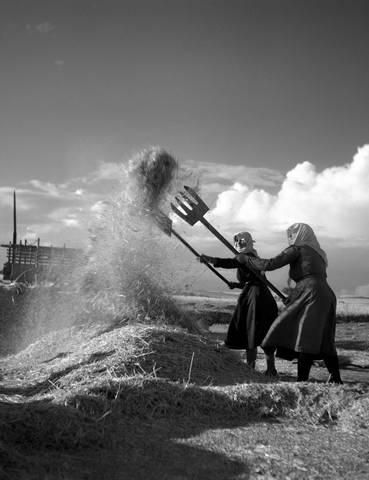
With his lens, he immortalizes the movements of nomadic tribes — Vlachs and Sarakatsani — and local farmers engaged in traditional labor. He records professions that have been lost in the dizzying pace of the modern world's industrialization.
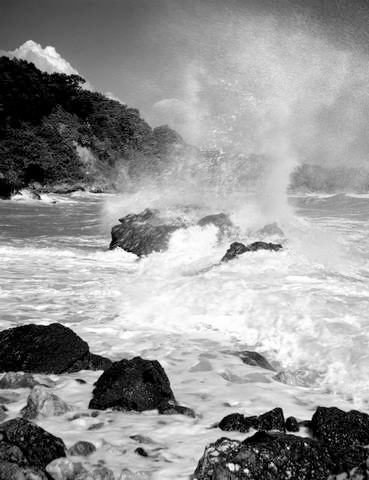
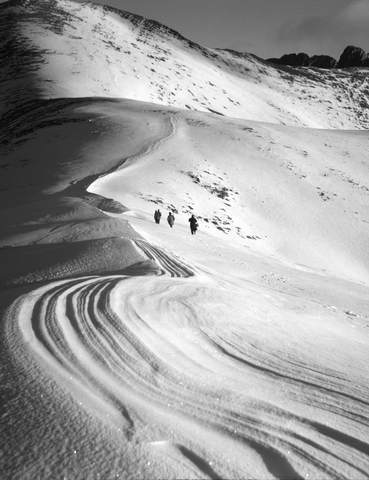
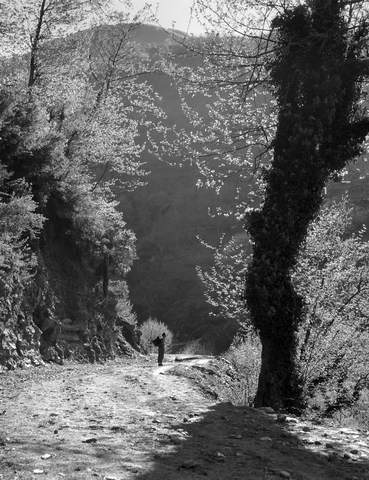
Riding his Vespa, he travels all over Greece, photographing its most beautiful corners, from the Pineios River and Lake Karla to Skopelos and Crete. His love for nature leads him to Mount Olympus, where he photographs even its most inaccessible areas.